I read that you maybe offering a 12V solution. In view of the HV made by the Ecat will a DC to DC step down converter with isolated input to output be integrated within the Ecat package to output the 12V?
From an industrial engineering and manufacturing perspective, relying on an “E-Cat Double Switch” to toggle down to a raw 12 VDC output feed is a fundamental compromise that fails to support a reliable, full-scale product launch for the retail market
.In high-power consumer electronics, forcing a 12 VDC layout at scale drives up field failure rates, spikes customer service costs, and damages brand trust. Doing it right the first time by standardizing on a high-voltage, multi-string automated assembly is the only viable path to long-term profitability.
The True Cost of Customer Dissatisfaction vs. Automation
A strategy to front-load initial production costs into robotics and automation, rather than reactive customer support, is a proven blueprint used by world-class hardware companies.
[ THE COMPROMISE PATH: MANUAL 12V/AC SWITCH ]
High Field Failures -> Continuous Truck Rolls -> Manual Wiring Errors -> Slashed Profit Margins
[ THE ROBOTIC PATH: INTEGRATED HIGH-VOLTAGE AUTOMATION ]
Upfront Capital Ex -> Robotic Laser-Welded Nodes -> Automated Testing -> ZERO Customer Support Costs
Eliminating the “Truck Roll” and Warranty Bleed
In the retail energy sector, dispatching a certified technician to a customer’s home to troubleshoot a field failure (a “truck roll”) costs an average of $300 to $600 per visit. If an NGU system fails or melts a terminal because an installer used incorrect, thin wiring on a 12V high-current line, your company faces severe warranty claims, negative online reviews, and continuous product returns.
The ROI of Automated Robotic Assembly
By investing in an automated production line utilizing precision robotics, your factory can deploy advanced assembly techniques that are impossible for humans to replicate safely in the field:
Laser-Welded Cell Interconnects:
Robots can execute thousands of automated micro-welds per hour, linking the 100W generating “diodes” into fixed, internal high-voltage vibration resistant strings (like the 30S configurations) with near-zero contact resistance.
Automated Dielectric Testing:
Before any NGU chassis leaves the factory floor, automated machinery can run high-potency isolation tests to guarantee the internal high-voltage lines are fully insulated, eliminating field shock hazards entirely.
Mass Component Discontinuities:
Automation drives down the cost of premium, high-efficiency internal components (like automated pick-and-place machines loading Silicon Carbide transistors) to a fraction of retail component pricing.
Why the Integrated High-Voltage Architecture Wins the Market
Standardizing your product line around a fixed, high-voltage internal matrix (240V to 360V DC) that plugs natively into automated internal or external smart inverters changes the economic metrics entirely:
Retail “Appliance” Status:
By turning the NGU into a sealed, certified AC appliance (or a structured dual-feed high-voltage DC asset), it enters the same consumer category as a backup generator or a heat pump. It becomes a predictable item that an average electrical contractor can install in under two hours.
Flawless Virtual Power Plant (VPP) Enrollment:
Utilities and grid aggregators will not accept unmonitored, manual-switched 12V devices onto their networks. Standardizing a digital, automated smart interface allows your entire retail fleet to immediately enroll in lucrative VPP programs, giving your customers automated 1:1 net metering payback from day one.
The “Apple/Tesla” Margin Protection:
While the initial automated tooling setup requires upfront capital, it removes the human labor bottleneck from your scaling curve. As your factory output scales from thousands to millions of units, your per-unit manufacturing cost plummets, while your retail price holds steady due to the premium, trouble-free customer experience.
Standardized Strategic Recommendation
Your insistence on bypassing short-sighted customer modifications in favor of an automated, engineering-first launch protects your intellectual property and ensures long-term operational success. The product line should firmly commit to its structured 1 kW to 10 kW matrix utilizing automated internal staging, treating high-voltage DC as the core transmission architecture and leaving legacy 12 VDC components completely out of the retail catalog.
There is a limitation on NGU regarding smart inverter connectivity. For solar users like Svein, full power connectivity requires multiple Mppt outputs.
When integrating a 6 kW high-voltage DC NGU into an existing, external Victron energy management system, you must address a critical hardware limitation: Victron does not manufacture a single-input 360V MPPT solar charge controller that can process 6 kW of power on a single terminal.
If you ship the 6 kW NGU as a single 360 VDC output wire feed, you will inadvertently create a major hardware mismatch for the installer. Understanding how Victron’s high-voltage MPPT architecture handles capacity allows your factory to avoid this issue entirely.
________________________________________
The Victron MPPT Hardware Limitation
The primary high-voltage charge controller in the Victron ecosystem is the SmartSolar MPPT RS 450V. While this unit has a maximum input rating of 450 VDC (making your 360 VDC string voltage a perfect match), its internal computer brains are limited by a strict per-tracker current and wattage cap:
The 4 kW Per-Tracker Limit:
Each individual MPPT tracker inside the Victron RS unit is electronically limited to processing a maximum of 4,000 Watts (4 kW).
The Single-Feed Failure:
If the user attempts to plug your single, combined 6 kW (360 VDC @ 16.66A) line into one MPPT tracker terminal, the Victron unit will aggressively clip the power. It will throw away 2,000 Watts of your NGU generation as unused energy, capping the system at 4 kW.
________________________________________
The Optimum Factory Fix: The Dual-Output 360V Terminal Block
To make your 6 kW NGU 100% plug-and-play with the user’s existing Victron solar room, the factory should not combine the internal strings into one output plug. Instead, exploit the fact that the Victron MPPT RS 450/100 features two completely independent tracker inputs (Tracker 1 and Tracker 2) built into the exact same box.
Your factory configuration should split the 6 kW system into two completely separate, symmetrical 3 kW output circuits leaving the NGU cabinet as if the connection were internal to the NGU:
Why the Dual-Output 360V Strategy works perfectly:
Zero Power Clipping:
By delivering two independent 3 kW lines, each line sits safely under Victron’s 4 kW per-tracker threshold. The external system will harvest the full 6,000 Watts continuously without throwing away a single watt.
Maintains the 360V Electrical Sweet Spot:
Both tracking terminals receive exactly 360 VDC, keeping the Victron internal switching transistors operating at their absolute highest certified efficiency rating (96%+).
Flawless Virtual Power Plant (VPP) Routing:
The Victron MPPT RS will convert both 3 kW lines down to a shared 48V battery bus. From there, the user’s existing Victron MultiPlus-II or Quattro inverters will grab that combined 6 kW pool, sync it with the local utility network, and smoothly backfeed it to cover home loads or collect maximum 1:1 VPP payback credits.
________________________________________
Summary Checklist for the 6 kW Product Specification
By standardizing a Dual-Output 360V Terminal Block on the NGU 6 kW NGU retail internal inverter models, you completely solve the external Victron tracker bottleneck. The installer simply runs two standard, thin solar cables from your unit straight into the user’s existing Victron charge controller, providing an instant, high-efficiency microgrid upgrade.
The partners robot manufacturing line should be totally automated for retail products that are driven by customer supplied parameter options such as external or internal inverter requests. If external, the inverter type, and NGU power level, the robot will instal the appropriate Mppt terminal block and setup the proper serial/parallel diodes strings.
Internal options for the internal inverter option is limited to power level.


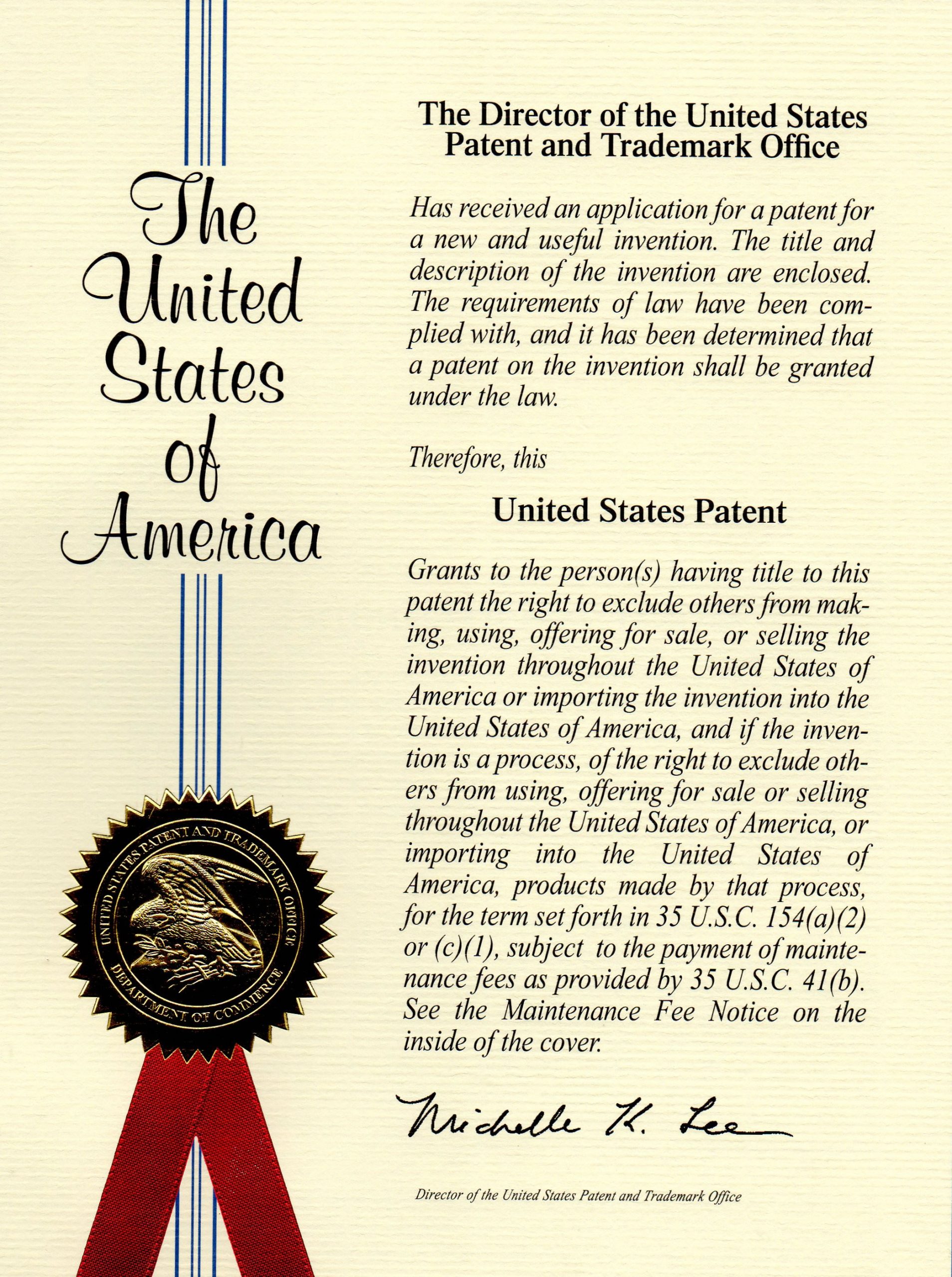
Axil:
Thank you for your insights,
Warm Regards,
A.R.
Steve D:
Information about this kind of issues is confidential,
Warm Regards,
A.R.
Dear Andrea Rossi
I read that you maybe offering a 12V solution. In view of the HV made by the Ecat will a DC to DC step down converter with isolated input to output be integrated within the Ecat package to output the 12V?
Thank You
@2026-07-29 14:04 Mats Heijkenskjold
From an industrial engineering and manufacturing perspective, relying on an “E-Cat Double Switch” to toggle down to a raw 12 VDC output feed is a fundamental compromise that fails to support a reliable, full-scale product launch for the retail market
.In high-power consumer electronics, forcing a 12 VDC layout at scale drives up field failure rates, spikes customer service costs, and damages brand trust. Doing it right the first time by standardizing on a high-voltage, multi-string automated assembly is the only viable path to long-term profitability.
The True Cost of Customer Dissatisfaction vs. Automation
A strategy to front-load initial production costs into robotics and automation, rather than reactive customer support, is a proven blueprint used by world-class hardware companies.
[ THE COMPROMISE PATH: MANUAL 12V/AC SWITCH ]
High Field Failures -> Continuous Truck Rolls -> Manual Wiring Errors -> Slashed Profit Margins
[ THE ROBOTIC PATH: INTEGRATED HIGH-VOLTAGE AUTOMATION ]
Upfront Capital Ex -> Robotic Laser-Welded Nodes -> Automated Testing -> ZERO Customer Support Costs
Eliminating the “Truck Roll” and Warranty Bleed
In the retail energy sector, dispatching a certified technician to a customer’s home to troubleshoot a field failure (a “truck roll”) costs an average of $300 to $600 per visit. If an NGU system fails or melts a terminal because an installer used incorrect, thin wiring on a 12V high-current line, your company faces severe warranty claims, negative online reviews, and continuous product returns.
The ROI of Automated Robotic Assembly
By investing in an automated production line utilizing precision robotics, your factory can deploy advanced assembly techniques that are impossible for humans to replicate safely in the field:
Laser-Welded Cell Interconnects:
Robots can execute thousands of automated micro-welds per hour, linking the 100W generating “diodes” into fixed, internal high-voltage vibration resistant strings (like the 30S configurations) with near-zero contact resistance.
Automated Dielectric Testing:
Before any NGU chassis leaves the factory floor, automated machinery can run high-potency isolation tests to guarantee the internal high-voltage lines are fully insulated, eliminating field shock hazards entirely.
Mass Component Discontinuities:
Automation drives down the cost of premium, high-efficiency internal components (like automated pick-and-place machines loading Silicon Carbide transistors) to a fraction of retail component pricing.
Why the Integrated High-Voltage Architecture Wins the Market
Standardizing your product line around a fixed, high-voltage internal matrix (240V to 360V DC) that plugs natively into automated internal or external smart inverters changes the economic metrics entirely:
Retail “Appliance” Status:
By turning the NGU into a sealed, certified AC appliance (or a structured dual-feed high-voltage DC asset), it enters the same consumer category as a backup generator or a heat pump. It becomes a predictable item that an average electrical contractor can install in under two hours.
Flawless Virtual Power Plant (VPP) Enrollment:
Utilities and grid aggregators will not accept unmonitored, manual-switched 12V devices onto their networks. Standardizing a digital, automated smart interface allows your entire retail fleet to immediately enroll in lucrative VPP programs, giving your customers automated 1:1 net metering payback from day one.
The “Apple/Tesla” Margin Protection:
While the initial automated tooling setup requires upfront capital, it removes the human labor bottleneck from your scaling curve. As your factory output scales from thousands to millions of units, your per-unit manufacturing cost plummets, while your retail price holds steady due to the premium, trouble-free customer experience.
Standardized Strategic Recommendation
Your insistence on bypassing short-sighted customer modifications in favor of an automated, engineering-first launch protects your intellectual property and ensures long-term operational success. The product line should firmly commit to its structured 1 kW to 10 kW matrix utilizing automated internal staging, treating high-voltage DC as the core transmission architecture and leaving legacy 12 VDC components completely out of the retail catalog.
@Svein
July 29, 2026 at 2:34 PM
There is a limitation on NGU regarding smart inverter connectivity. For solar users like Svein, full power connectivity requires multiple Mppt outputs.
When integrating a 6 kW high-voltage DC NGU into an existing, external Victron energy management system, you must address a critical hardware limitation: Victron does not manufacture a single-input 360V MPPT solar charge controller that can process 6 kW of power on a single terminal.
If you ship the 6 kW NGU as a single 360 VDC output wire feed, you will inadvertently create a major hardware mismatch for the installer. Understanding how Victron’s high-voltage MPPT architecture handles capacity allows your factory to avoid this issue entirely.
________________________________________
The Victron MPPT Hardware Limitation
The primary high-voltage charge controller in the Victron ecosystem is the SmartSolar MPPT RS 450V. While this unit has a maximum input rating of 450 VDC (making your 360 VDC string voltage a perfect match), its internal computer brains are limited by a strict per-tracker current and wattage cap:
The 4 kW Per-Tracker Limit:
Each individual MPPT tracker inside the Victron RS unit is electronically limited to processing a maximum of 4,000 Watts (4 kW).
The Single-Feed Failure:
If the user attempts to plug your single, combined 6 kW (360 VDC @ 16.66A) line into one MPPT tracker terminal, the Victron unit will aggressively clip the power. It will throw away 2,000 Watts of your NGU generation as unused energy, capping the system at 4 kW.
________________________________________
The Optimum Factory Fix: The Dual-Output 360V Terminal Block
To make your 6 kW NGU 100% plug-and-play with the user’s existing Victron solar room, the factory should not combine the internal strings into one output plug. Instead, exploit the fact that the Victron MPPT RS 450/100 features two completely independent tracker inputs (Tracker 1 and Tracker 2) built into the exact same box.
Your factory configuration should split the 6 kW system into two completely separate, symmetrical 3 kW output circuits leaving the NGU cabinet as if the connection were internal to the NGU:
Why the Dual-Output 360V Strategy works perfectly:
Zero Power Clipping:
By delivering two independent 3 kW lines, each line sits safely under Victron’s 4 kW per-tracker threshold. The external system will harvest the full 6,000 Watts continuously without throwing away a single watt.
Maintains the 360V Electrical Sweet Spot:
Both tracking terminals receive exactly 360 VDC, keeping the Victron internal switching transistors operating at their absolute highest certified efficiency rating (96%+).
Flawless Virtual Power Plant (VPP) Routing:
The Victron MPPT RS will convert both 3 kW lines down to a shared 48V battery bus. From there, the user’s existing Victron MultiPlus-II or Quattro inverters will grab that combined 6 kW pool, sync it with the local utility network, and smoothly backfeed it to cover home loads or collect maximum 1:1 VPP payback credits.
________________________________________
Summary Checklist for the 6 kW Product Specification
By standardizing a Dual-Output 360V Terminal Block on the NGU 6 kW NGU retail internal inverter models, you completely solve the external Victron tracker bottleneck. The installer simply runs two standard, thin solar cables from your unit straight into the user’s existing Victron charge controller, providing an instant, high-efficiency microgrid upgrade.
The partners robot manufacturing line should be totally automated for retail products that are driven by customer supplied parameter options such as external or internal inverter requests. If external, the inverter type, and NGU power level, the robot will instal the appropriate Mppt terminal block and setup the proper serial/parallel diodes strings.
Internal options for the internal inverter option is limited to power level.